by PGS-MN member Christine (Wasik) Pedersen
If you have been waiting for a chance to travel to Poland, whether for genealogical pursuits or just an adventure, PGS-MN member Rosanne Betley has a story to share and a few highlights for visiting Krakow.
Rosanne’s first trip to Poland was with her mother in September 1978. They were going to visit her grandmother’s family, whom they had been communicating with through the mail.
At the time, Poland was still part of the Eastern bloc, behind the Iron Curtain. A visa was required, along with a guarantee to spend a minimum amount in American currency during your visit. If you were staying with relatives, the amount equated to approximately $5.00 per day. If you stayed at a hotel, the cost was approximately $30.00 per day. The hotel confirmation, paid in advance, passport and visa application were mailed to the Consulate in Chicago, after which you waited to learn if you were approved to travel.
While a part of the Eastern bloc, the Polish złoty was worthless outside the country. Poles were desperate to get American currency, so the best exchange rate was on the black market. The official exchange rate was 30 złoty to $1. However, on the black market you could get anywhere from 120 to 150 złoty per dollar. Restaurants were the best place to make an exchange! Waiters would ask if you wanted to exchange money, you would then slip your American currency under the napkin and the waiter would clear a few dishes with your napkin. About 10 minutes later, the waiter returned with a clean napkin filled with your złoty.
Today you don’t need a visa but you do need a COVID vaccination card or negative COVID test.
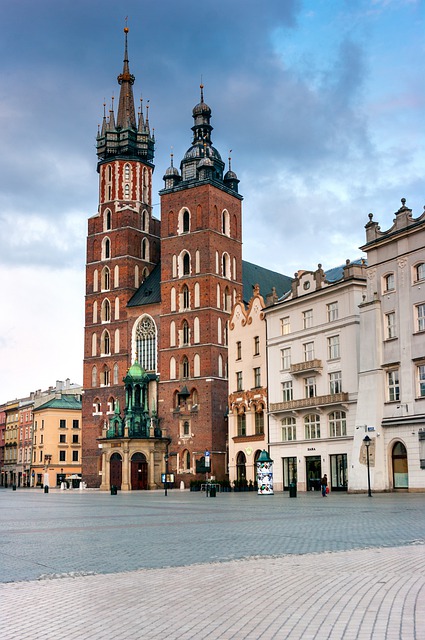
If you want to travel to Poland, Rosanne recommends Krakow, the cultural capital of the country. One highlight for first-time travelers is the main square in the heart of the city’s Old Town, where you can hear a trumpeter playing the hejnal from the top of the tower of St. Mary’s Basilica every hour, 24-hours a day.
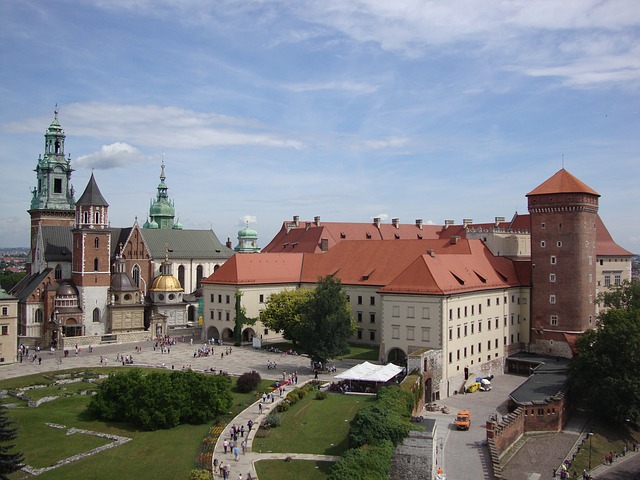
A 15-minute walk from the main square is Wawel Royal Castle and Wawel Cathedral, where Polish monarchs were crowned and buried. Kings, queens, poets and other Poles of historical significance have been honored with their final resting place at Wawel Cathedral.
It takes time to plan a trip to Poland, with all its cultural and historical sites, but many PGS-MN members have done it – some even more than once.
If you are looking for travel ideas or are willing to share your experience with other members, email pgsminnesota@gmail.com and write “Travel to Poland” in the subject line. We will help you get in touch with other travelers within the organization.
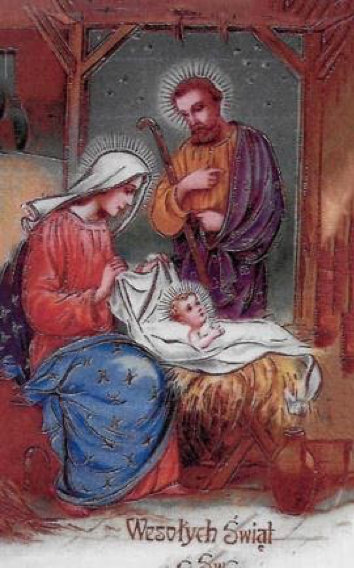
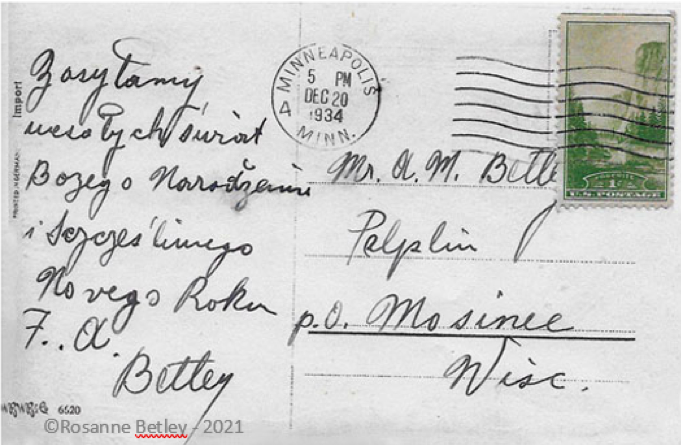
Finally, Merry Christmas from PGS-MN! We hope you enjoy this 1934 Christmas postcard from Rosanne Betley’s personal collection of family memorabilia.